Help
Your Fitness Questions Answered Here Completely

What is a fitness trainer?
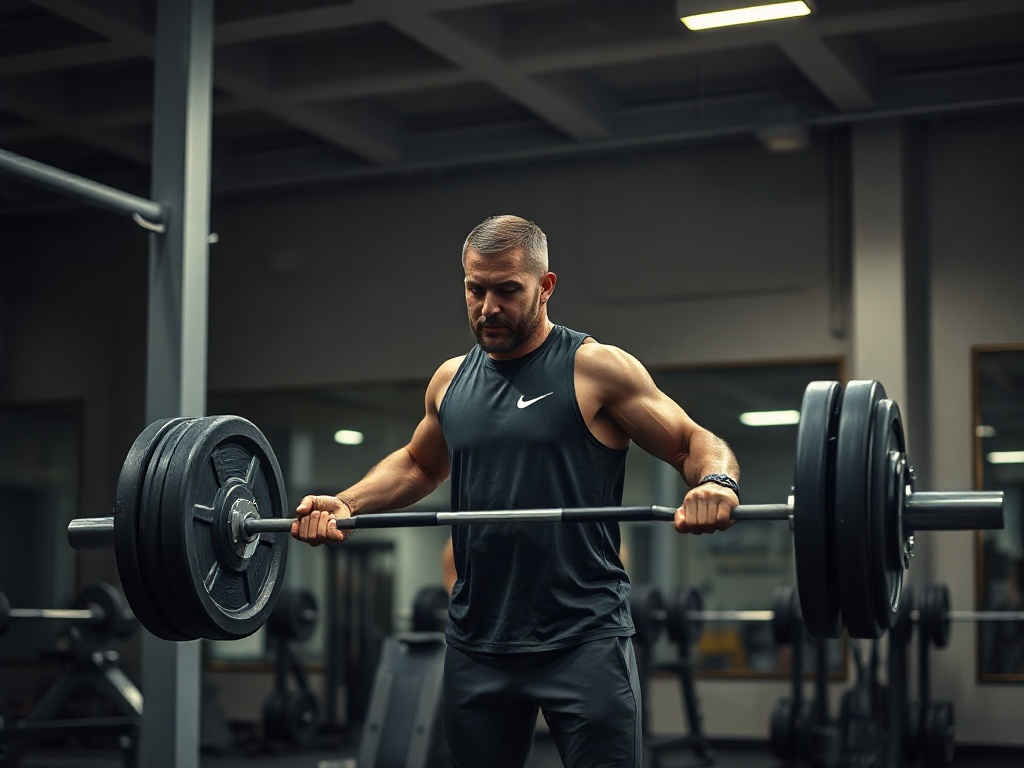
A fitness trainer for men is a certified professional who designs personalized workout programs, provides nutrition guidance, and offers motivation to help you achieve your physique goals. Whether you're looking to build muscle, lose fat, or improve overall health, a qualified trainer creates structured plans tailored to your fitness level, experience, and objectives.
Why is personal training important?
Personal training accelerates your progress by ensuring proper exercise form, preventing injuries, and keeping you accountable. A dedicated trainer adjusts your program based on your performance, helps you break through plateaus, and provides the expertise needed to optimize every workout session for maximum results.
What are the key components of effective male fitness training?
Effective training combines strength building, progressive resistance, nutrition planning, recovery strategies, and mental discipline. A professional trainer integrates compound movements, periodization techniques, and lifestyle adjustments to ensure sustainable muscle growth and strength improvements.
How does strength training build muscle mass?
Strength training creates micro-tears in muscle fibers that repair and grow stronger through proper nutrition and rest. Progressive overload, consistent training volume, and adequate protein intake are essential. Your trainer ensures you're lifting appropriately heavy weights with perfect form to maximize muscle stimulation.
What role does nutrition play in fitness?
Nutrition provides the building blocks for muscle growth and recovery. Your fitness trainer creates meal plans with adequate protein, carbohydrates, and healthy fats to support your training intensity. Proper nutrition timing and caloric balance are crucial for achieving your body composition and performance goals.
How important is consistency in training?
Consistency is fundamental to any fitness journey. A dedicated trainer keeps you accountable and motivated, ensuring you train regularly and follow your program. Consistent effort over weeks and months produces visible muscle growth, increased strength, and improved athletic performance that transforms your physique.
Get Answers to All Your Fitness Training Questions and Concerns

How often should I train weekly?
Most men benefit from three to five training sessions per week, depending on experience and goals. Your trainer structures sessions around muscle groups, recovery needs, and intensity levels. Beginners typically start with three sessions, while advanced lifters perform four to five sessions targeting different body parts.
What is progressive overload?
Progressive overload means gradually increasing training demands by adding weight, repetitions, or sets over time. This principle drives continuous muscle growth and strength gains. Your trainer carefully manages progression to ensure you're always challenging your muscles without compromising form or causing injury.
How long does it take to see noticeable muscle gains?
Most men notice initial strength improvements within two to three weeks and visible muscle growth within four to eight weeks of consistent training and proper nutrition. Significant body composition changes typically appear after twelve weeks. Your trainer tracks progress through measurements, photos, and performance metrics.
What's the difference between bulking and cutting?
Bulking involves eating in a caloric surplus to build muscle mass, while cutting means eating in a deficit to reduce body fat while preserving muscle. Your trainer determines which phase matches your goals and manages transitions between them. Both require different training and nutritional approaches for optimal results.
How important is recovery for muscle growth?
Recovery is when your muscles actually grow and adapt. Adequate sleep, nutrition, and rest days are essential for allowing your body to repair and strengthen. Your trainer balances intense training with proper recovery strategies, preventing overtraining and burnout while maximizing the benefits of your hard work.
What supplements should I consider taking?
Common supplements for male fitness include protein powder, creatine, and multivitamins. However, whole food should always be your foundation. Your trainer recommends evidence-based supplements that fill nutritional gaps and support your specific goals, ensuring you're investing wisely in supplements that actually work.


Get your personalized fitness assessment
We have years of experience training men to build muscle and strength